
Leak Detection Guide for Palm Harbor & Pinellas County Homeowners
10 Hidden Signs You Have a Water Leak in Your Home
A hidden water leak can quietly raise your utility bill, damage drywall and flooring, encourage mold growth, and weaken areas around your foundation. The most common warning signs are an unexplained bill increase, running-water sounds, low pressure, stains, musty odors, warm floors, mold, wet yard areas, and movement at the water meter when every fixture is off.
How do you know whether your home has a hidden water leak?
Start by turning off all water-using fixtures and checking whether your water meter still moves. Then look for changes in your bill, pressure, walls, ceilings, floors, cabinets, and yard. One sign alone may have another cause, but several signs together make a concealed plumbing leak much more likely.
Water does not need to pour through a ceiling to cause expensive damage. A pinhole leak behind drywall, a loose supply connection under a cabinet, or a damaged pipe beneath a concrete slab can release moisture for weeks before it becomes obvious. By the time the problem is visible, the affected area may already include insulation, framing, flooring, or cabinetry.
If your home shows several of the warning signs below, schedule professional leak detection in Palm Harbor. Elite Plumbing Services Inc. can help narrow down the source and recommend a targeted repair instead of relying on guesswork.
Why hidden plumbing leaks should not be ignored
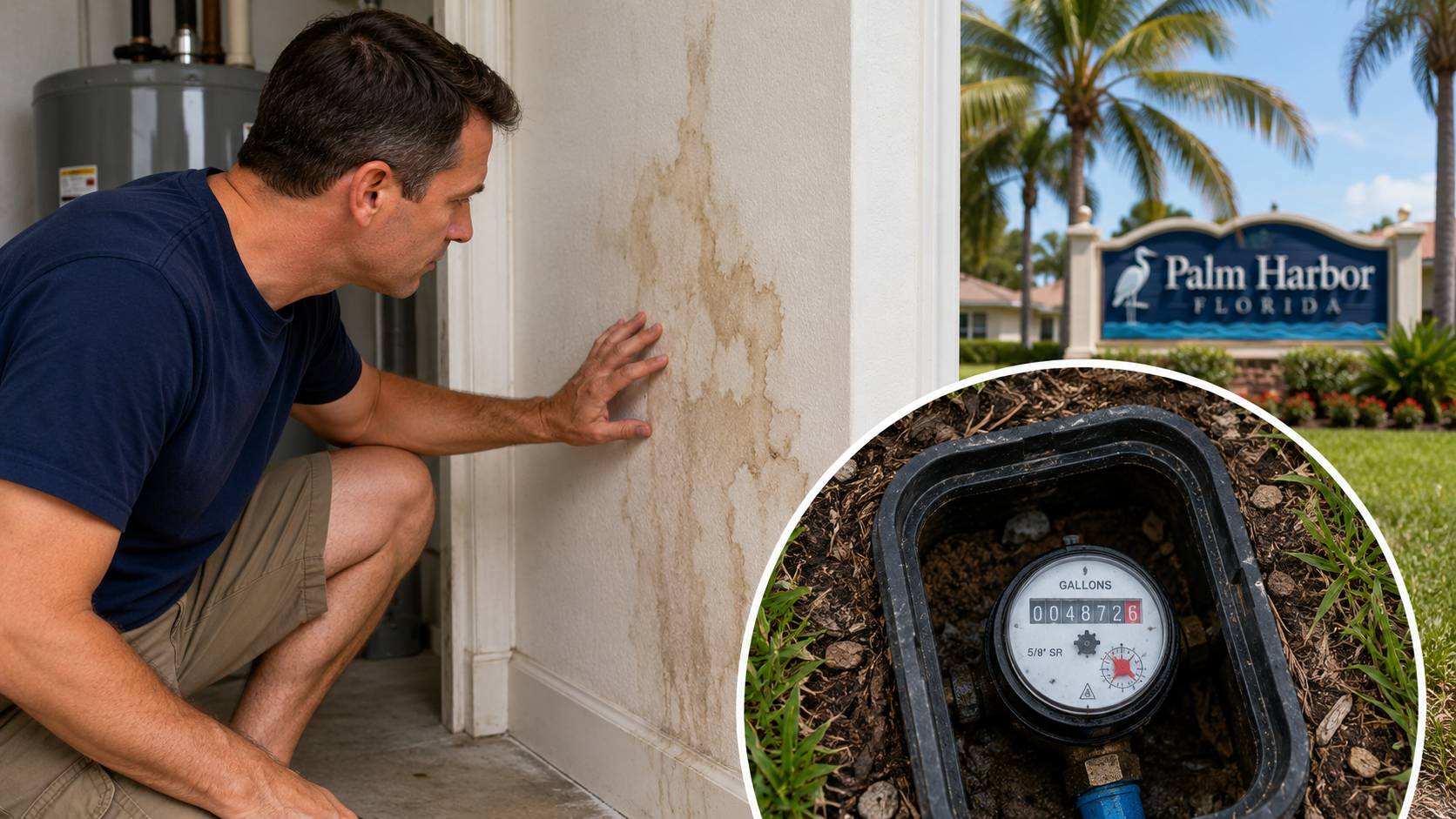
A concealed leak can create multiple problems at the same time. Escaping water may increase utility costs, stain finished surfaces, soften drywall, swell cabinets, loosen flooring, corrode metal components, and create damp conditions where mold can grow. Leaks below the home can also saturate or displace soil around a slab, walkway, or service line.
The U.S. Environmental Protection Agency notes that household leaks collectively waste enormous amounts of water and recommends checking utility bills, meters, toilets, fixtures, and irrigation systems for signs of leakage. You can review the EPA’s homeowner guidance through its WaterSense Fix a Leak resources.
Early detection matters because the cost of repairing a pipe is only one part of the potential expense. Delayed action may add drywall replacement, flooring repairs, cabinet work, paint, drying equipment, mold remediation, or structural evaluation.
1. Your water bill increases without a clear reason
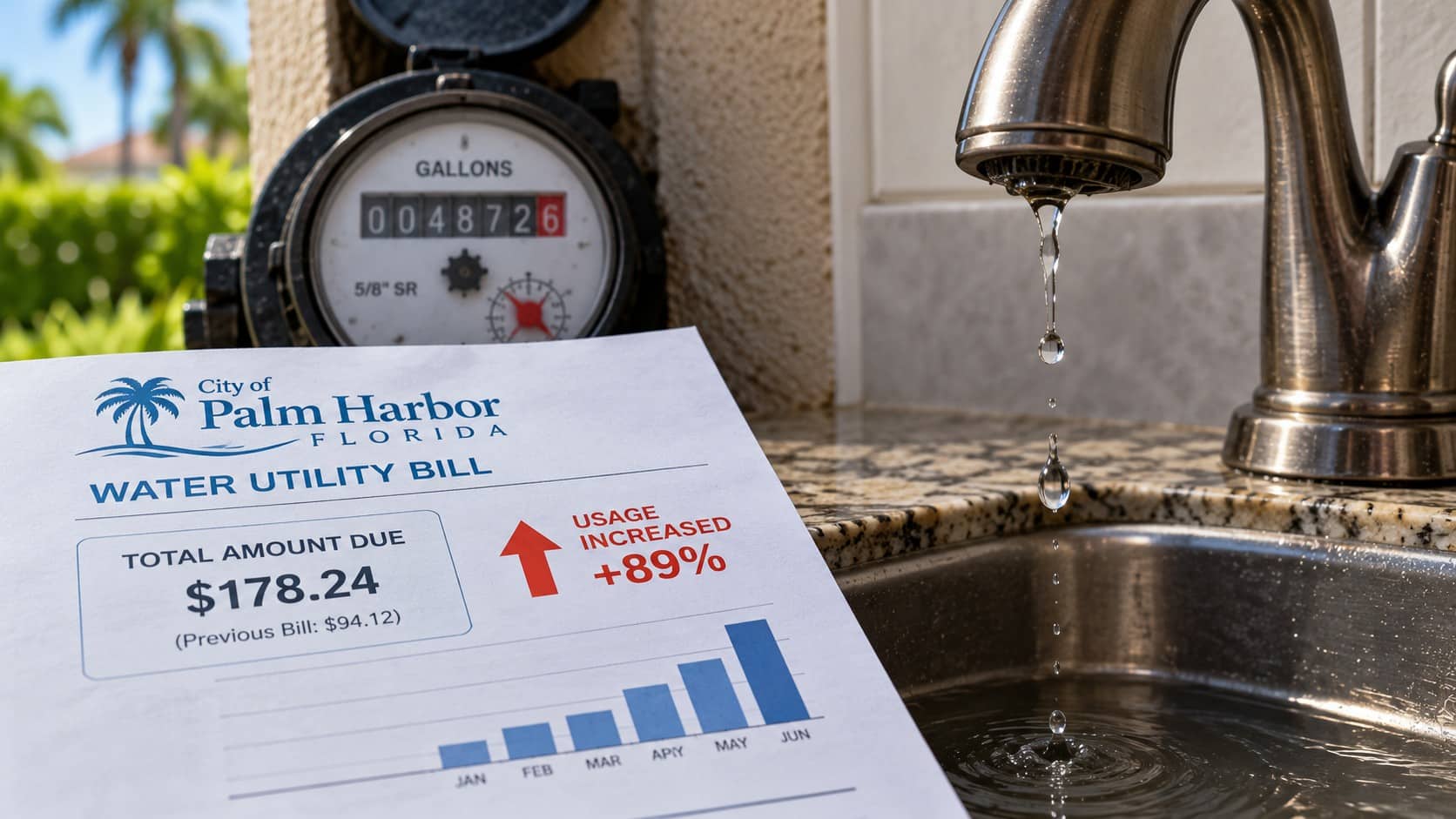
An unexplained increase in water use is one of the strongest early clues that water is escaping somewhere in the system. Seasonal changes, guests, irrigation, pool filling, and additional laundry can all raise consumption, so compare similar billing periods whenever possible. If your daily habits have stayed the same but the bill continues to climb, investigate.
What to look for
- A sudden jump compared with the previous month
- A gradual increase across several billing cycles
- Higher usage during a month when the home was partly vacant
- Consumption that remains high after irrigation has been turned off
First check obvious sources, including dripping faucets, toilet flappers, hose bibbs, water softeners, pool equipment, and irrigation valves. If those appear normal, the problem may be in a supply line, wall cavity, slab line, or underground service pipe. A professional water leak detection service can help isolate the source.
2. You hear running water when every fixture is off
A quiet home should not sound as though water is moving through the walls. Hissing, dripping, trickling, or a faint rushing noise can indicate that a pressurized line is leaking. These sounds are often easier to notice at night when appliances, televisions, and outdoor noise are reduced.
Check toilets, refrigerator supply lines, ice makers, dishwashers, washing machines, and irrigation first. A toilet can run intermittently without being obvious, and an appliance may refill automatically. After those are ruled out, listen near bathrooms, kitchens, utility rooms, and the water heater.
3. Water pressure drops at several fixtures
Low pressure at one faucet may be caused by a clogged aerator or a problem with that fixture. Pressure loss throughout the home can point to a larger issue, such as a partially closed main valve, failing pressure regulator, municipal supply problem, mineral buildup, or a leaking water line.
Notice whether the change happened suddenly or developed over time. Also compare hot and cold water. If only hot-water pressure is low, the problem may involve the water heater or hot-water piping. If both are affected across multiple rooms, schedule a broader plumbing evaluation.
Pressure problems sometimes require routine plumbing repair rather than leak detection alone, especially when valves, regulators, or corroded piping are involved.
4. Stains, bubbling paint, or soft areas appear on walls and ceilings
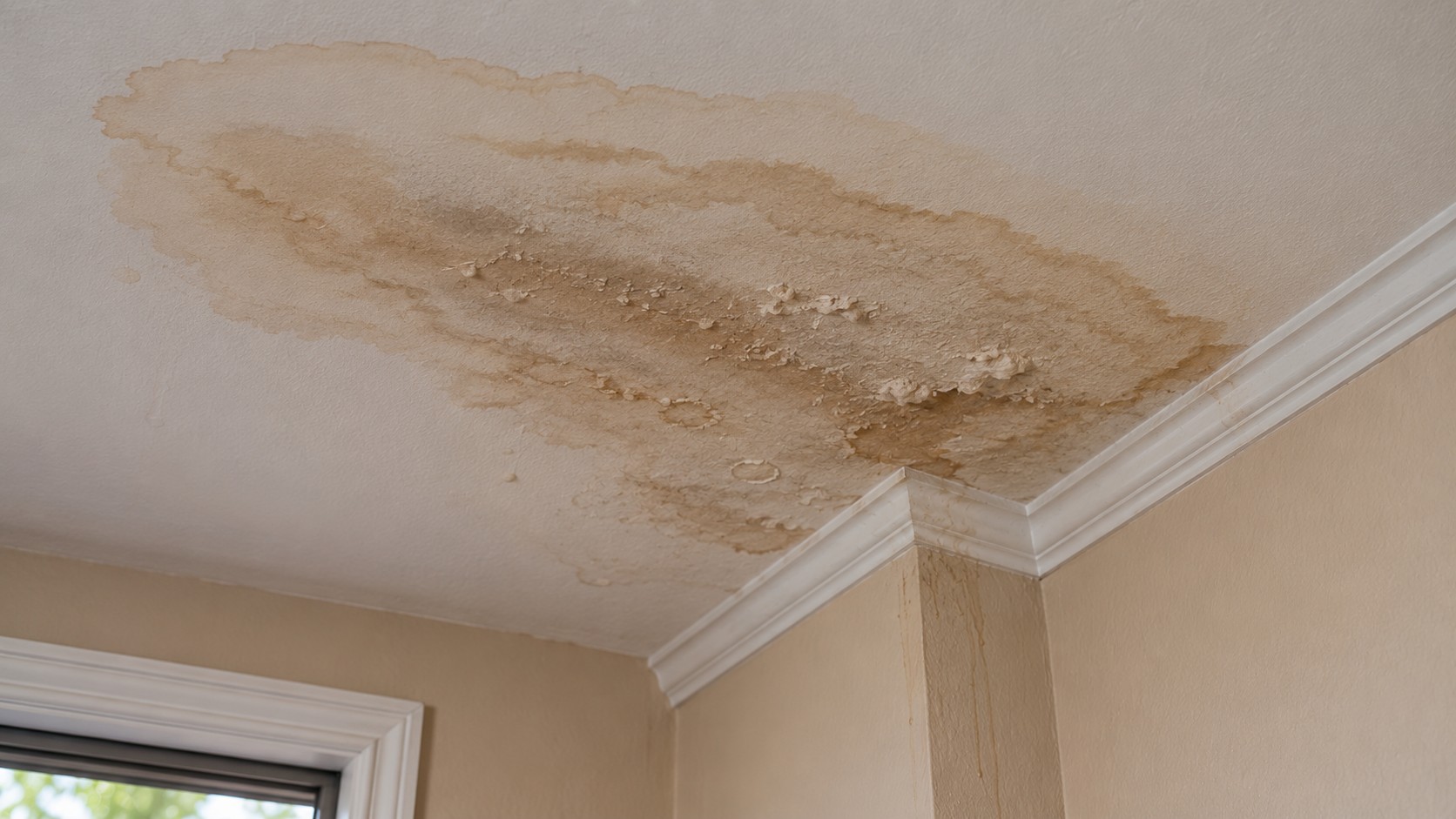
Water stains often begin as a faint yellow, tan, or brown mark. Paint may blister, wallpaper may release, drywall may feel soft, and a ceiling may begin to bow. The visible mark is not always directly below the leak because water can travel along framing, pipes, or the top of drywall before it collects.
Do not ignore these changes
- A stain that grows after showers or appliance use
- Peeling paint near a bathroom, kitchen, or laundry room
- Soft drywall around a plumbing fixture
- A sagging or bulging ceiling
- Warped baseboards or swollen trim
A sagging ceiling containing water can collapse. Keep people and pets away from the area and call for help. If water is actively spreading or cannot be stopped at a fixture valve, use the home’s main shutoff and contact emergency plumbing services.
5. A musty odor remains after cleaning
A persistent earthy or musty smell can signal damp material in a wall, cabinet, closet, or floor assembly. Cleaning the room may temporarily mask the odor, but it will return until the moisture source is corrected and affected materials are properly dried or removed.
Pay close attention to sink cabinets, bathroom vanities, the wall behind a washing machine, closets next to showers, and rooms sharing a wall with the water heater. Use a flashlight to inspect corners, pipe penetrations, cabinet bases, and flooring edges.
The Centers for Disease Control and Prevention advises that when mold is present, the mold should be cleaned up and the moisture problem should also be fixed. See the CDC’s mold information for homeowners.
6. One area of the floor feels unusually warm
A warm spot on tile, concrete, laminate, or wood flooring may indicate hot water escaping from a pipe beneath the slab. This is not proof by itself—sun exposure, ductwork, and appliances can also create warm areas—but a persistent hot spot combined with a high water bill or running-water sound deserves attention.
Other possible slab-leak clues
- The water heater runs more often than expected
- Hot-water pressure has dropped
- Flooring has lifted, cracked, or discolored
- You hear water beneath the floor
- The warm area expands over time
Professional slab leak detection may use pressure testing, acoustic tools, thermal imaging, and moisture readings to narrow the search area before access work begins.
7. Flooring, walls, doors, or foundation areas begin to change
Water escaping beneath or near a slab may saturate soil, create voids, or contribute to localized movement. Plumbing leaks are not the only cause of cracks or sticking doors, so structural symptoms should be evaluated carefully. Still, new movement that appears alongside high water use, damp flooring, or warm slab areas may be related.
Changes worth documenting
- New cracks in tile or grout
- Flooring that cups, buckles, or separates
- Baseboards pulling away from the wall
- Doors or windows that suddenly stick
- Cracks that continue to widen
Take dated photographs and avoid assuming that cosmetic patching will solve the problem. If plumbing is the source, the leak must be repaired before finishes are restored. Significant structural movement may also require evaluation by an appropriate building professional.
8. Mold keeps returning in the same area
Recurring mold is a moisture clue. Condensation, ventilation problems, roof leaks, exterior water intrusion, and plumbing leaks can all create damp conditions. When mold repeatedly appears near plumbing walls, cabinets, ceilings, or flooring, investigate the water source rather than repeatedly painting or cleaning over it.
The CDC notes that damp buildings are associated with respiratory symptoms and other health concerns. People with asthma, allergies, chronic lung conditions, or weakened immune systems may be more sensitive. Larger affected areas or contaminated porous materials may require professional remediation.
9. Part of your yard stays wet or grows faster than the rest
An underground water service leak may create soggy ground, standing water, erosion, or an unusually green patch of grass. The wet area may not sit directly above the break because water can follow trenches, roots, or changes in soil.
Before assuming the main water line is leaking, check irrigation schedules, sprinkler heads, pool equipment, hose bibbs, drainage patterns, and recent rainfall. In Florida, saturated soil and storms can complicate the diagnosis, so compare the area during a dry period when irrigation is off.
Call promptly when you notice
- Water surfacing near the meter or foundation
- A soft or sinking area beside a walkway or driveway
- Continuous meter movement with the home’s fixtures isolated
- A sudden drop in whole-house pressure
- Water flowing toward neighboring property or the street
10. Your water meter moves when no water is being used
A meter test is one of the most useful homeowner checks because it measures whether water is flowing into the property. Many meters have a small leak indicator, such as a triangle, dial, or digital flow display. If it moves after all known water use has stopped, the system may be losing water.
The test does not identify the exact location, and it can be affected by automatic appliances, irrigation, water treatment equipment, pool fillers, and toilets. Carefully isolate those sources before drawing a conclusion.
How to perform a simple water-meter leak test
- Stop all intentional water use. Turn off faucets, showers, dishwashers, washing machines, ice makers, irrigation, pool fillers, and water treatment regeneration cycles.
- Check toilets. Make sure none are running or refilling. A silent toilet leak can affect the result.
- Record the meter. Photograph the reading and note the position of any small leak indicator.
- Wait 30 to 60 minutes. Do not use water during this period.
- Check the meter again. A changed reading means water flowed into the property during the test.
- Repeat if needed. Isolate irrigation, appliances, or the home’s shutoff valve to help distinguish an indoor leak from a service-line or outdoor leak.
Do not force an old or corroded valve. If a shutoff will not move, is leaking, or appears damaged, stop and call a plumber. Breaking a weakened valve can turn a diagnostic check into an emergency.
| What you observe | Possible explanation | Recommended next step |
|---|---|---|
| Meter does not move | No continuous flow during the test | Continue monitoring intermittent symptoms and appliances |
| Meter moves slowly | Small fixture, toilet, irrigation, or concealed leak | Isolate fixtures and schedule inspection if unresolved |
| Meter moves quickly | Larger active leak or automatic water use | Locate the main shutoff and request prompt service |
| Meter stops when the house valve is closed | Leak may be inside the home or on a connected branch | Professional indoor plumbing diagnosis |
| Meter continues after the house valve is closed | Possible service-line leak between meter and shutoff | Professional underground line evaluation |
Concerned about a hidden leak?
Elite Plumbing Services Inc. provides professional leak detection for homeowners in Palm Harbor and throughout Pinellas County. Get the source narrowed down before a small leak becomes extensive water damage.
View Leak Detection Services Get Emergency Plumbing HelpHow plumbers locate concealed leaks
Good leak detection is a process of narrowing possibilities. A plumber may review water-use history, inspect fixtures, test pressure, isolate branches, check meter behavior, measure moisture, listen for escaping water, or use thermal imaging. Inspection cameras may help when drains or accessible cavities are involved.
No single tool works for every leak. Thermal imaging, for example, shows temperature differences rather than water itself. Acoustic equipment depends on pipe material, depth, soil, background noise, and leak size. The most reliable diagnosis combines equipment readings with plumbing knowledge and controlled testing.
Common diagnostic methods
- Visual inspection: Checks fixtures, valves, cabinets, walls, floors, exterior lines, and meter conditions.
- Pressure testing: Determines whether a pressurized section is losing pressure.
- Acoustic listening: Helps detect the sound created by water escaping from a pressurized pipe.
- Thermal imaging: Identifies temperature patterns that may help locate hot-water leaks or damp areas.
- Moisture measurement: Compares moisture levels in walls, floors, and other materials.
- Isolation testing: Separates fixtures, branches, irrigation, or service lines to narrow the affected section.
When should you call a plumber?
Schedule professional service when a meter test indicates unexplained flow, several hidden-leak signs appear together, or the suspected pipe is behind a wall, beneath flooring, under a slab, or underground. Prompt service is also appropriate when a leak repeatedly damages the same area after cosmetic repairs.
Treat the situation as urgent when:
- Water is actively spreading through a wall, ceiling, or floor
- A ceiling is sagging or bulging
- Water is near outlets, electrical panels, or appliances
- The main supply line appears to have failed
- You cannot stop the flow with a fixture shutoff
- The leak is causing rapid pressure loss or flooding
- Sewage or contaminated water is involved
For active or damaging leaks, use the main shutoff when it is safe and contact Elite Plumbing’s emergency plumbing team. For non-emergency leaks, the company’s plumbing repair services can address damaged valves, supply lines, fixtures, and other common causes.
Why Palm Harbor and Pinellas County homes need careful leak monitoring
Florida homes face conditions that can make water damage especially disruptive, including high humidity, intense rain, slab construction, aging plumbing materials, irrigation systems, and year-round water use. High humidity does not cause a pressurized plumbing leak, but it can slow drying and make damp odors or microbial growth more noticeable after water escapes.
Homeowners should know the location of the main shutoff, inspect exposed supply lines regularly, review water bills, and test the meter when usage changes unexpectedly. It is also wise to photograph the shutoff and meter locations so family members, property managers, or house sitters can find them quickly.
How to reduce the risk of future water damage
- Check under sinks and around toilets monthly.
- Replace cracked or corroded appliance supply hoses.
- Know where the main water shutoff is located.
- Review water bills for unusual consumption.
- Repair dripping faucets and running toilets promptly.
- Keep irrigation heads aimed away from the foundation.
- Inspect the water heater and its connections for corrosion or moisture.
- Consider water-leak sensors in kitchens, bathrooms, laundry rooms, and near the water heater.
- Arrange professional inspection when pressure, sounds, or meter behavior changes.
Frequently asked questions about hidden water leaks
How can I tell if I have a hidden water leak?
Look for an unexplained water-bill increase, sounds of running water, low pressure, stains, soft drywall, musty odors, warm floor areas, recurring mold, wet yard spots, or movement at the water meter when all water use is off. Several signs together warrant professional leak detection.
How do I use my water meter to check for a leak?
Turn off every fixture, appliance, irrigation zone, pool filler, and water treatment cycle. Photograph the meter, wait 30 to 60 minutes without using water, and compare the reading. Any movement means water flowed during the test and should be investigated.
What is a slab leak?
A slab leak is a leak in a water pipe beneath or within the concrete foundation. Potential signs include warm floors, high water use, damp or damaged flooring, running-water sounds, reduced pressure, or localized foundation-related changes.
Can a small water leak cause mold?
Yes. A small leak can keep porous materials damp for a long period. Repairing the plumbing source is essential, but wet or mold-affected materials may also need drying, cleaning, removal, or professional remediation.
Can plumbers find a leak without opening every wall?
Often, yes. Pressure testing, meter analysis, acoustic listening, thermal imaging, moisture readings, and isolation testing can narrow the likely location. A small targeted opening may still be necessary to confirm and repair the pipe.
Is every high water bill caused by a leak?
No. Irrigation, guests, pool filling, appliance changes, billing-cycle length, and seasonal use can increase consumption. Compare usage and perform a meter test. When the increase remains unexplained, schedule an inspection.
When is a water leak an emergency?
A leak is urgent when water is rapidly spreading, a ceiling is sagging, electrical components are wet, the main line is damaged, sewage is present, or you cannot stop the flow. Shut off the water when safe and request emergency service.
Schedule professional leak detection
Do not wait for a stain, warped floor, or flooded room to confirm what your meter and water bill may already be telling you. Elite Plumbing Services Inc. serves Palm Harbor and surrounding Pinellas County communities with professional leak detection and plumbing repair.
Schedule Leak Detection Explore Plumbing RepairFinal takeaway
The most important hidden-water-leak signs are changes: a higher bill, lower pressure, new sounds, fresh stains, unusual odors, warm floors, recurring mold, wet soil, or a meter that moves while the home is not using water. Catching those changes early gives you the best chance to limit water waste and avoid extensive property damage.
When a basic inspection and meter test do not reveal the cause, contact Elite Plumbing Services Inc. for professional plumbing leak detection in Palm Harbor.